
Trailer
Overview
- Status
- Released 2026
- Running time
- 13 minutes
- Format
- 16:9
- Genre
- Horror fiction · the 1998 riots and the erasure of history
- Language
- Indonesian
- Director
- Mahatma Putra
- Producer
- Muttaqiena Imaamaa
- Screenwriters
- Muttaqiena Imaamaa & Frederica Nancy
- Production company
- Anatman Films
- Location
- Jakarta, Indonesia
Synopsis
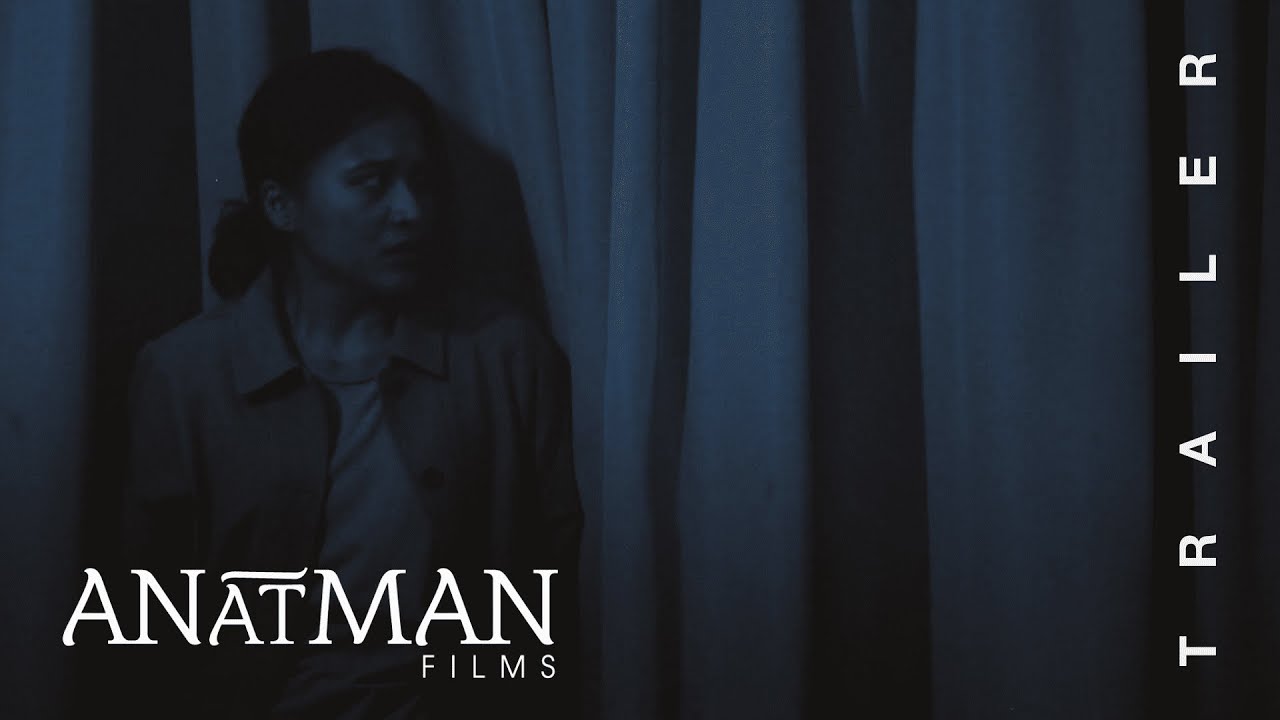
Key, a probationary employee at a production house, is asked by her boss to erase objects from a piece of footage: a mysterious figure standing behind a "history expert" who is about to argue about the 1998 tragedy.
Key is confused and uneasy about the figure. She tries to erase it but fails again and again. Unsettling events keep happening to her, yet her boss keeps urging her to finish the job.
Frightened, Key returns to the editing room and finally erases the mysterious figure from the video. When she glances to the side, the figure appears, with a face that looks like her own.
Mahatma Putra
Director's statement
My unease took shape as my first low-budget horror fiction film. It is about how a regime feels entitled to control everything: not only to extract resources and stand above the law, but even to rewrite history.
The state, as the people's beloved, has already taken everything. The elite win, and we are left to accept every disaster. Those silent screams surface only as forgotten horror memories. This film is one of them.
The year, setting and characters are prepared to present an alternative understanding of the 1998 riots, and at the same time a critique of the ways this event is narrated.
One of its treatments, "we are all victims, we are all perpetrators," is the main narrative of Hapus. It reminds us that today the 1998 tragedy is rooted not only in the event itself. History is often twisted, erased and forgotten, to the point of shaping the mindset of new generations.
The film tells of the ghost of history that comes to those who modify and erase history. These ghosts also live within each of us, in our own memories, in our shared collective memory. Nothing separates the ghosts, that is, all of us who became victims, from all of us who have also become cogs in the machine that erases history.
The Orwellian erasure and modification of history in 1984 is, it turns out, truly happening now, above all in our Minister of Culture's viral statement on how he sees the history of 1998. We can become perpetrators, or we can be the ones who dare to speak up against the erasure of history that is taking place.
— Mahatma Putra
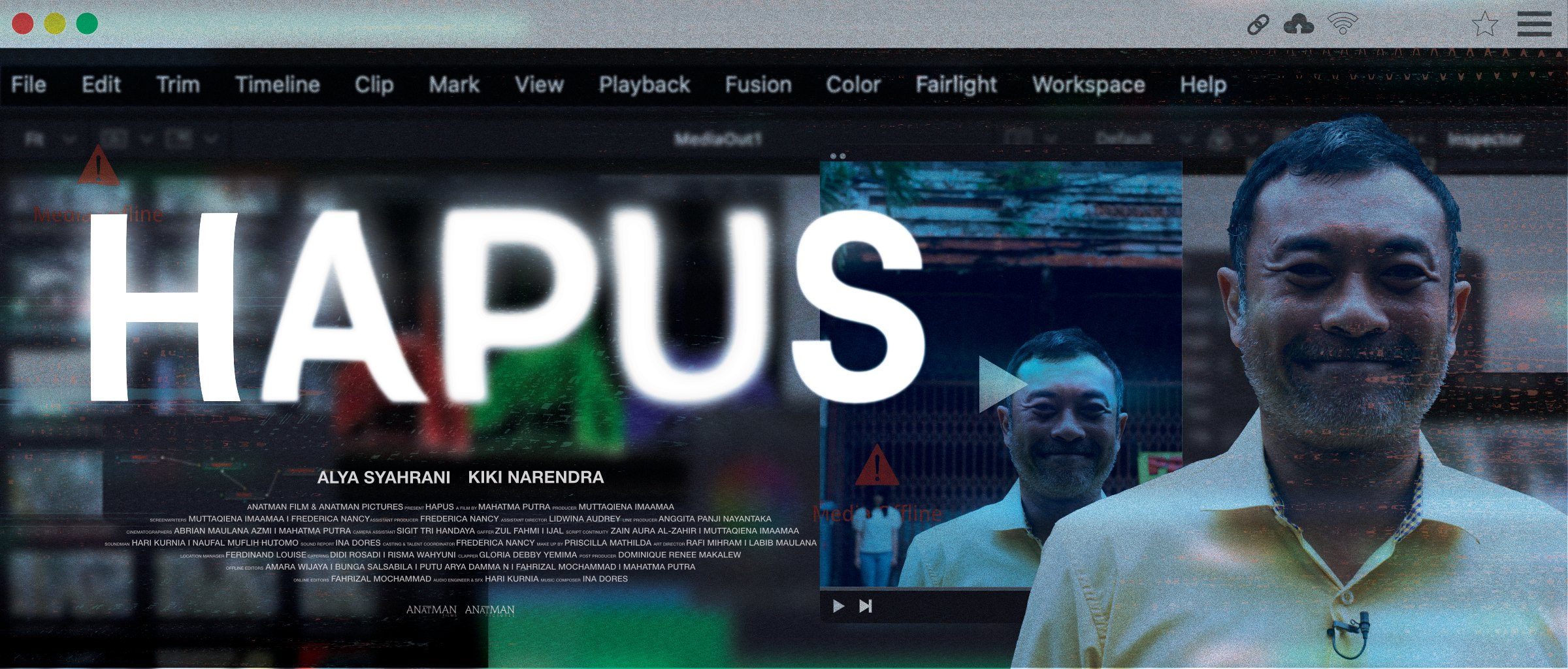
Hapus
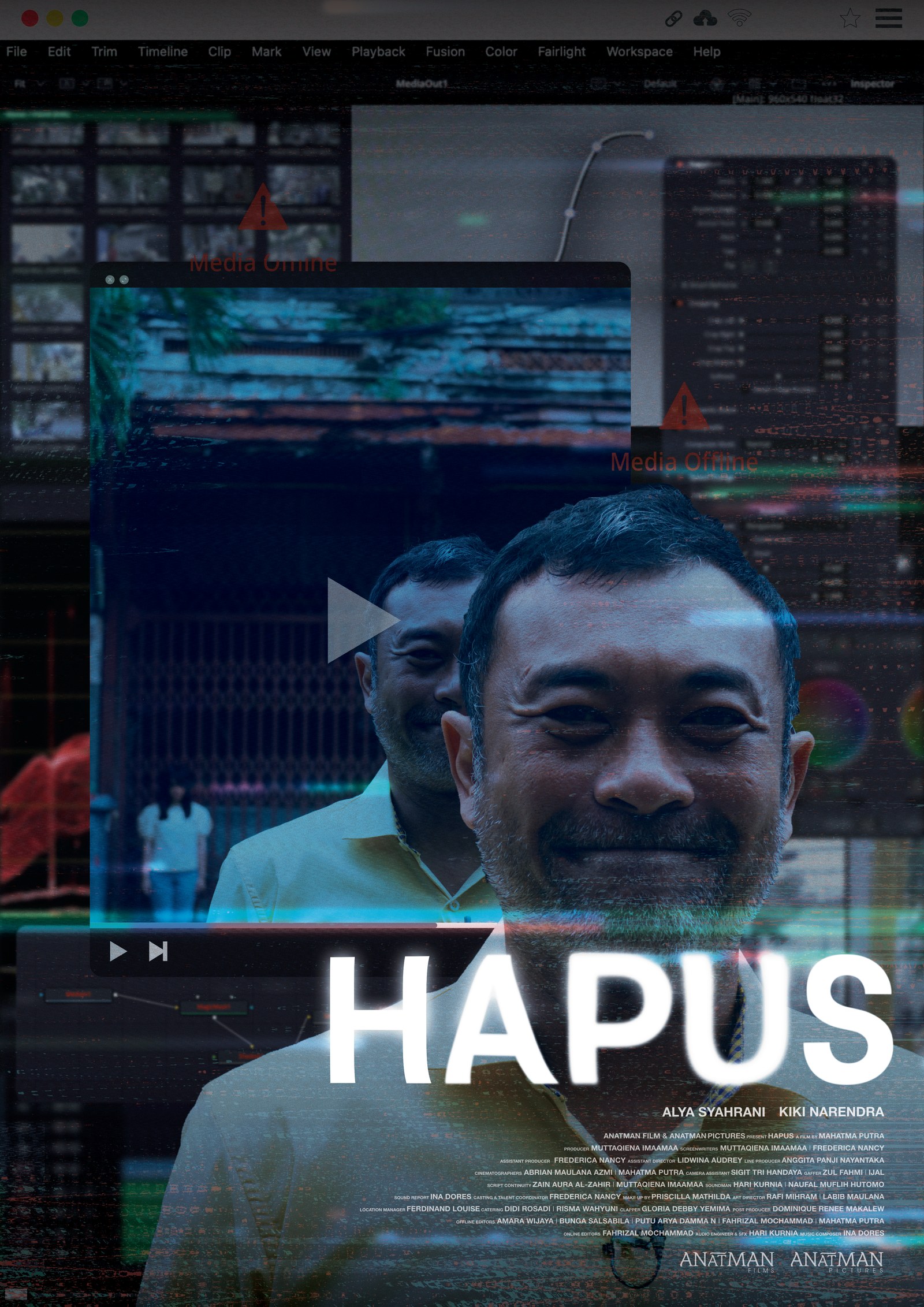
Film poster
Hapus
Characters

Key
Alya Syahrani
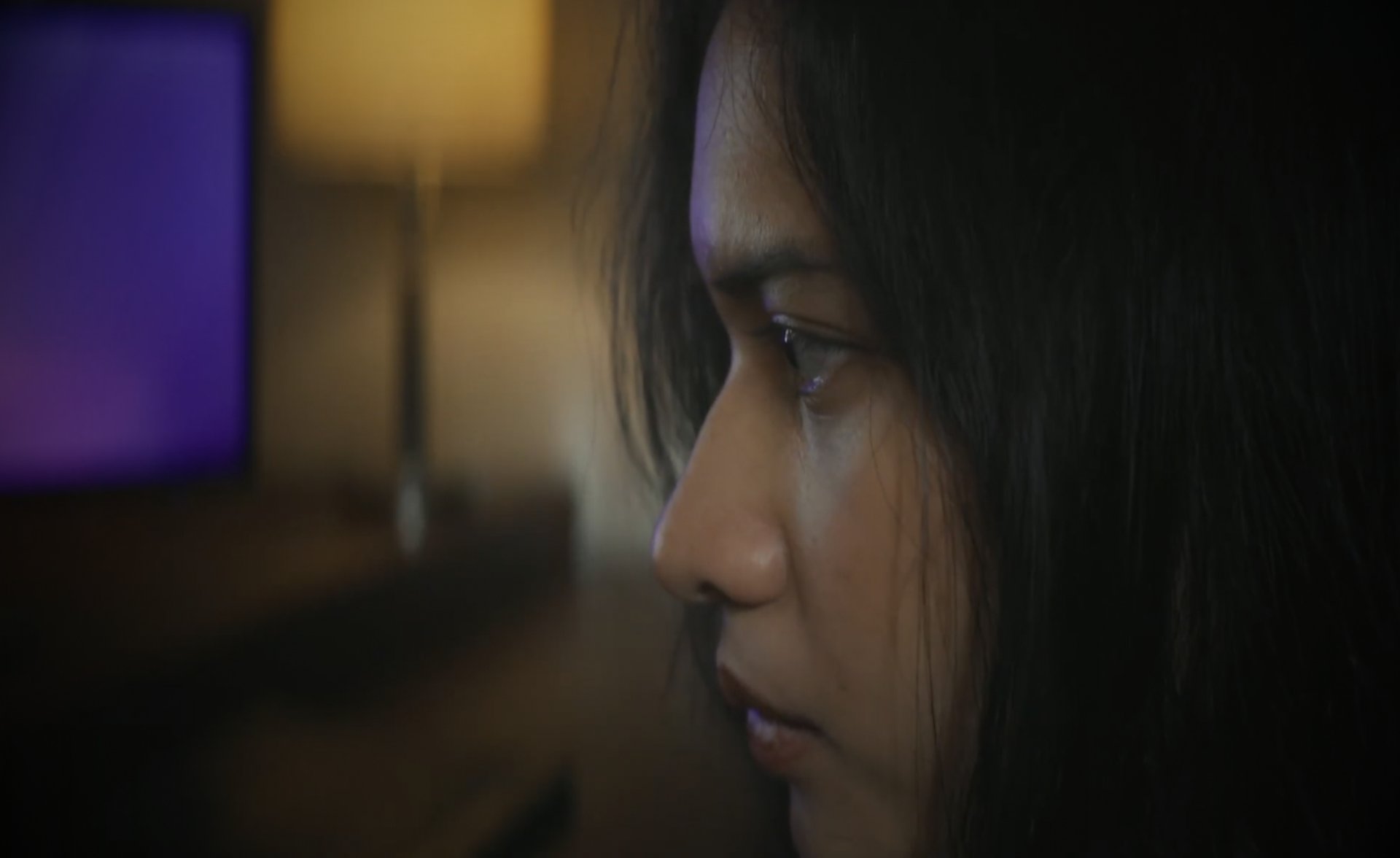
A new employee on probation, eager to be made permanent. A fresh graduate living far from home, she is willing to do anything to reach the financial stability she needs to live in Jakarta. Easy-going and indifferent, Key keeps her distance from the stories behind her work, including the violence and mass rapes of 1998, which she knows only as "what people say". As she works on the task, that past keeps waking her, unsettling her about a subject she has never touched, including the fear that such "mass rape" could happen to her too.
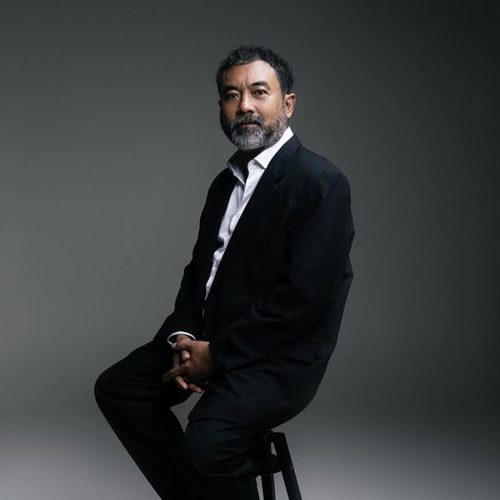
Unggul
Kiki Narendra
A 40-year-old paid historian "owned by the government". Outwardly he is authoritative, the very picture of a neutral intellectual. Behind that, he is a former thug schooled by those in power until he became the government's quiet right hand. His job is to be a historian skilled at handling public issues; there is one voice of the people he must never support: the truth the people themselves are seeking.
Muttaqiena Imaamaa
Producer's statement
Behind the glitter and ambition of Indonesia's modernity lie many important events that in fact define the nation's identity today. The light and dark of this nation's story shape the reasons and direction of every decision we make, as a society and as individuals. The 1998 riots are one of them.
Sadly, those now holding the nation's compass treat these dark facts as if they never happened.
Hapus is our way of showing that an absence still has feeling and roots. We try to build a mirror of the nation after the tragedy, including its link to the dynamics of modernity. It becomes a voice for 27 years of the nation's life that have always been met with indifference. Beyond that, the film is an effort to build awareness of the impact of lost history.
We hope this choice of a horror treatment can be enjoyed and embraced by a wide audience. We believe the dark history behind us is best accepted as it is, as a lesson so that it never happens again.
Hapus
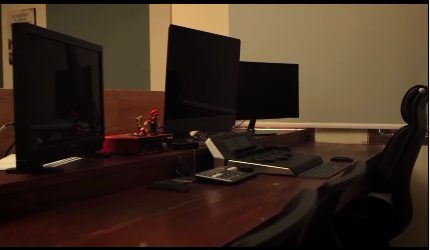
Location: the production house office
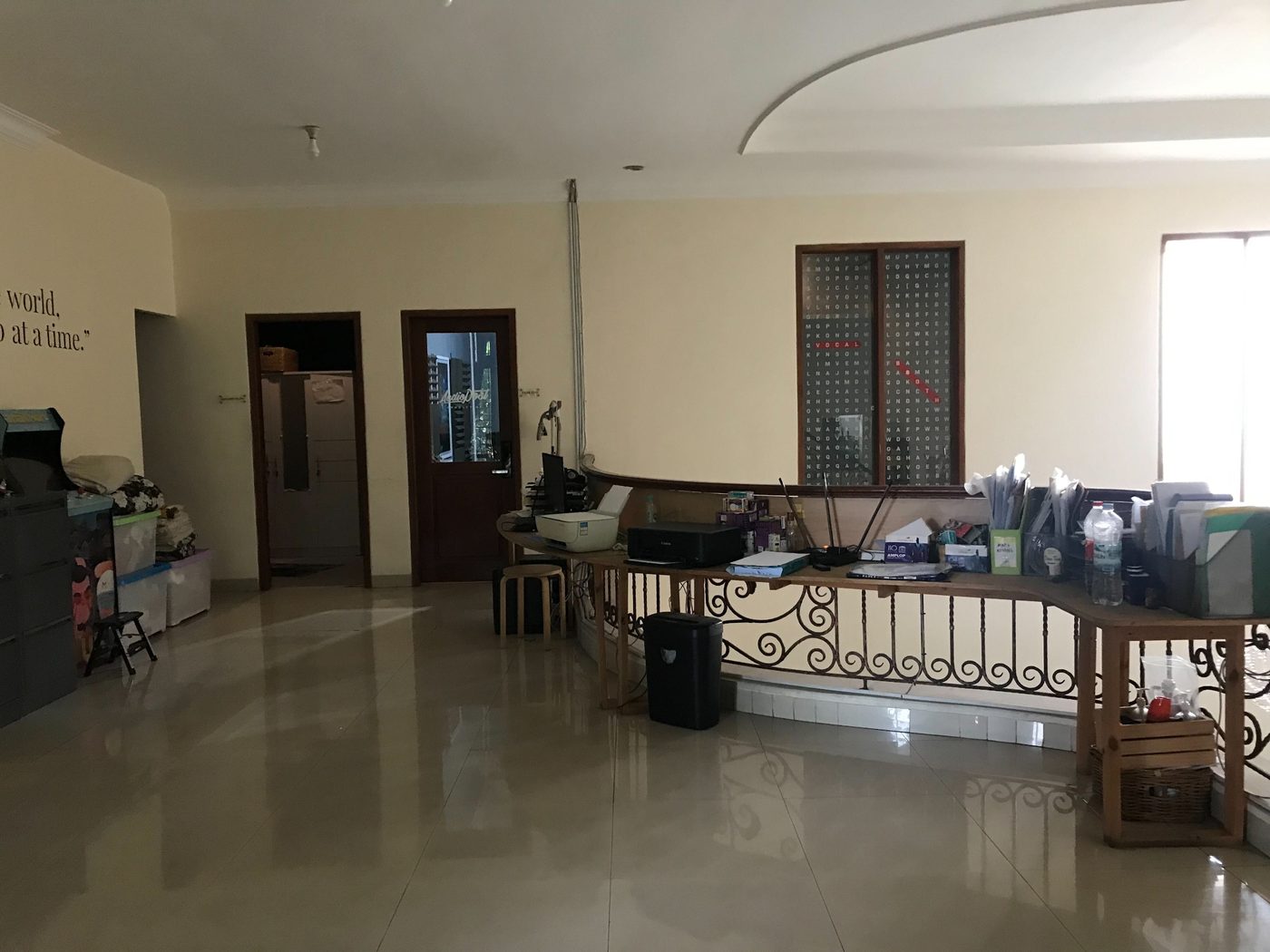
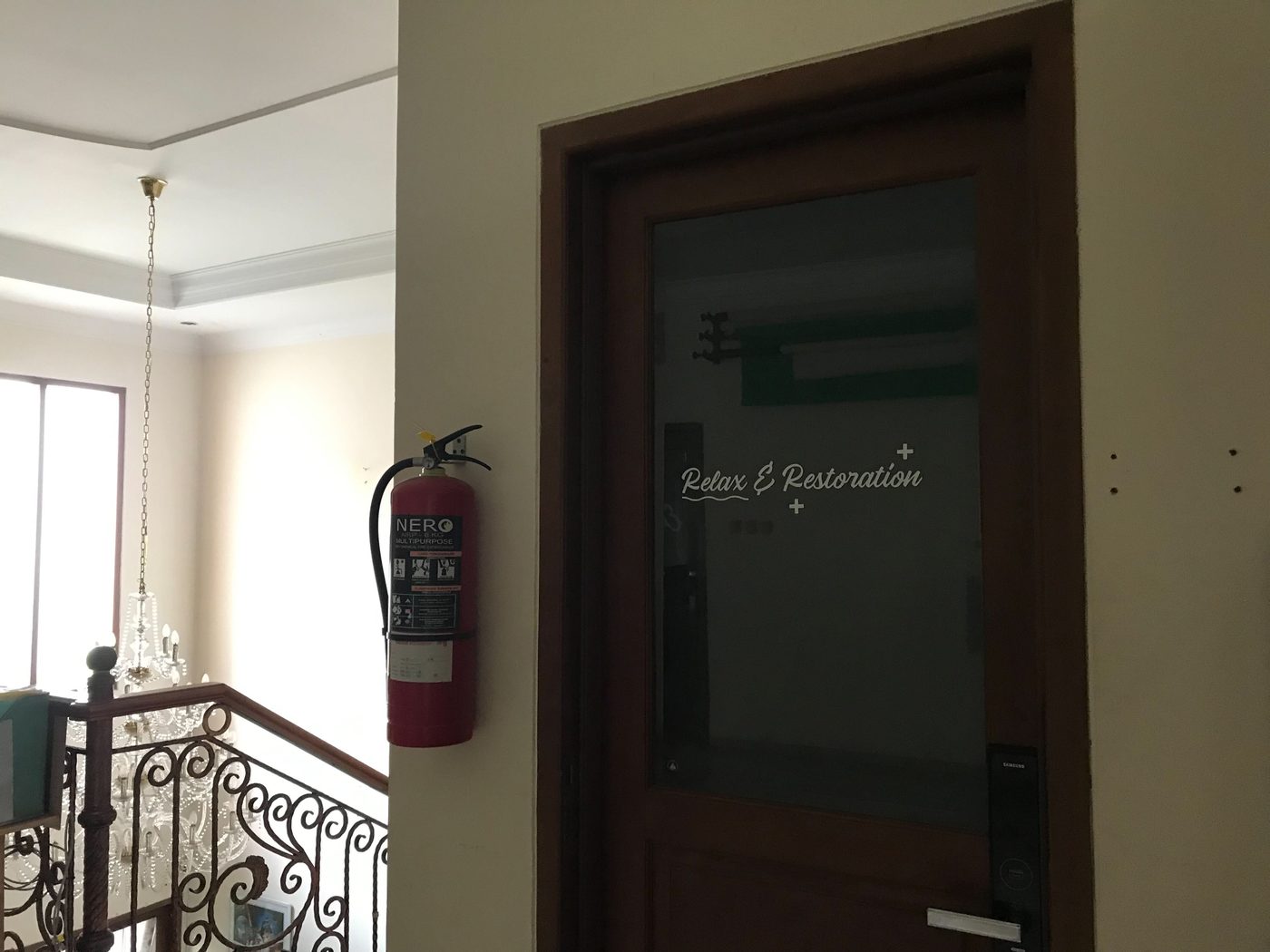
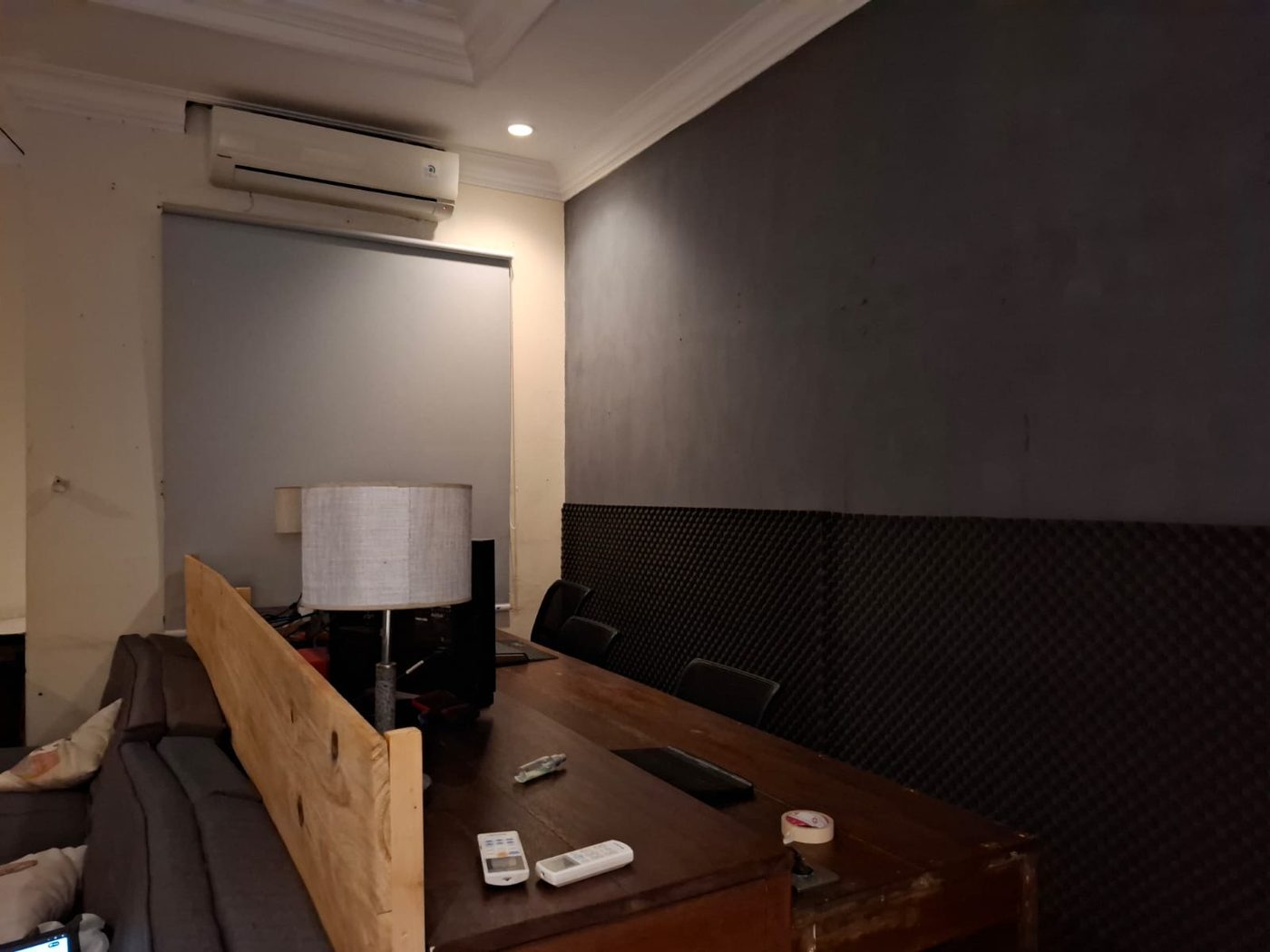
Hapus
Production team & credits
Starring
- Alya Syahrani
- Kiki Narendra
Directed by
- Mahatma Putra
Produced by
- Muttaqiena Imaamaa
Written by
- Muttaqiena Imaamaa
- Frederica Nancy
Assistant Producer
- Frederica Nancy
Line Producer
- Anggita Panji Nayantaka
1st AD
- Lidwina Audrey
Director of Photography
- Abrian Maulana Azmi
- Mahatma Putra
Camera Assistant
- Sigit Tri Handaya
Lighting
- Zul Fahmi
- Ijal
Sound
- Hari Kurnia
- Naufal Muflih Hutomo
Sound Report
- Ina Dores
Script Continuity
- Zain Aura Al-Zahir
Clapper
- Gloria Debby Yemima
Casting & Talent Coordinator
- Frederica Nancy
Special Make-up Artist
- Priscilla Mathilda
Art Team
- Rafi Mihram
- Labib Maulana
Location Manager
- Ferdinand Louise
Craft
- Risma Wahyuni
- Didi Rosadi
Extra
- Irna
Post Producer
- Dominique Renee Makalew
Offline Editors
- Amara Wijaya
- Putu Nanda
- Bunga Salsabila
- Fahrizal Mochammad
- Mahatma Putra
Online Editor & Colorist
- Fahrizal Mochammad
Music Composer
- Ina Dores
SFX & Audio Engineer
- Hari Kurnia
Graphic Designer
- Zain Aura Al-Zahir
Subtitles
- Dominique Renee Makalew
- Bunga Salsabila
Production
- Anatman Films